As the way we work continues to evolve, especially with the rise of remote and hybrid work models, the design and aesthetics of office spaces have become more important than ever. Minimalism is no longer just an interior design trend—it’s a lifestyle choice that enhances productivity, fosters creativity, and promotes mental well-being. In this article, we will explore the benefits of minimalist office aesthetics and share how simplifying your workspace can improve efficiency and comfort.
1. What is Minimalist Office Aesthetics?
Minimalist office aesthetics stem from the 20th-century art movement and are centered around the concept of “less is more.” This style emphasizes clean lines, simple shapes, and the use of neutral tones. The goal is to remove clutter and unnecessary ornamentation while focusing on functionality and the maximization of space. Minimalist office design isn’t just visually refreshing; it has a positive impact on thinking patterns and work efficiency. By simplifying the space and design, it allows individuals to focus better, reducing distractions in the environment.
For modern professionals, the benefits of a minimalist office extend beyond just its clean appearance—it can influence productivity and mental clarity in profound ways.
2. Key Elements of Minimalist Office Design
a. Color Palette and Material Selection
A minimalist office often features neutral color schemes such as white, grey, black, and natural wood tones. These colors create a fresh and calming environment while preventing visual clutter. When it comes to materials, minimalist offices use high-quality, simple materials like wood, metal, and glass, avoiding overly ornate or complex designs.
b. Furniture and Accessories
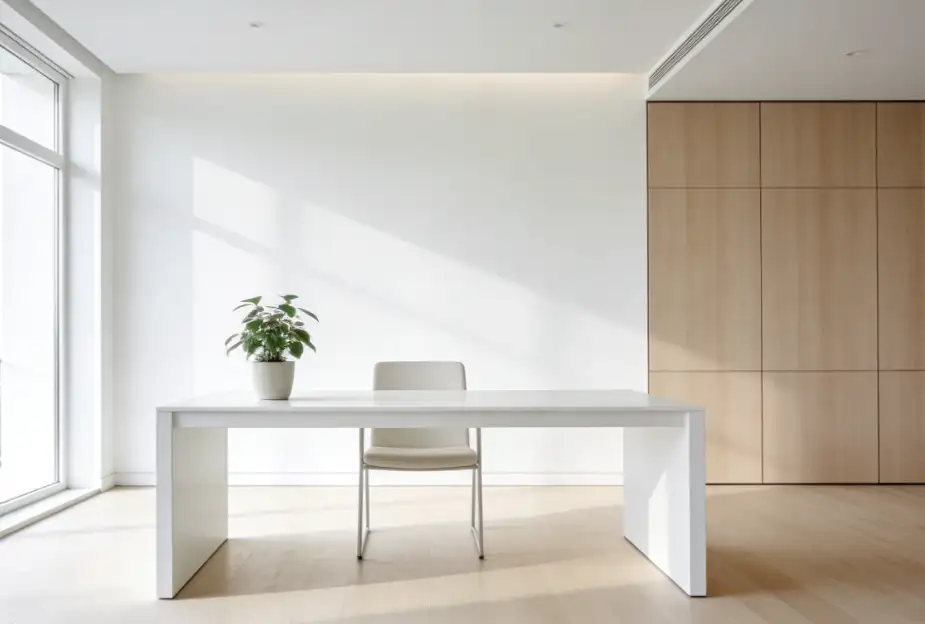
Furniture in a minimalist office is designed with simplicity and functionality in mind. For example, minimalist desks often have clean lines and smooth surfaces, while drawers and storage systems are discreetly integrated to keep the workspace tidy. Chairs are ergonomically designed to ensure comfort and support, without excessive decoration.
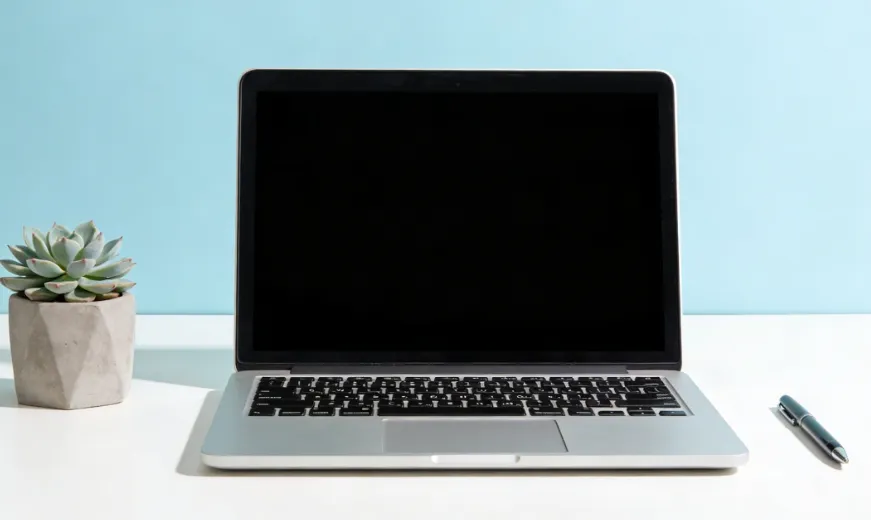
One of the hallmarks of minimalist office design is the avoidance of too many decorative objects. Unnecessary photos, magazines, and files are removed from the desk, leaving only the essentials. By using clever storage solutions, these items can be hidden or neatly organized.
c. Space Layout and Natural Light
Minimalist office design emphasizes openness and flow. The layout maximizes the available space while ensuring smooth transitions between different areas of the office. Work zones and rest areas are well-defined, reducing visual distractions.
One of the key aspects of minimalist office design is the introduction of natural light. Large windows, open layouts, and transparent glass walls allow sunlight to fill the space, creating a bright and airy work environment. Research shows that exposure to natural light not only boosts productivity but also improves mental health and well-being.
3. Benefits of Minimalist Office Aesthetics
a. Enhanced Productivity
One of the main benefits of minimalist office design is its ability to help individuals stay focused. A clean, uncluttered environment reduces visual distractions, making it easier to concentrate on tasks at hand. A tidy desk enables clearer thinking and better problem-solving, leading to higher productivity.
b. Improved Work Environment
Minimalist offices are known for creating calm, organized, and peaceful environments. By eliminating excess decorations and complex designs, the space feels more organized and serene. This, in turn, reduces stress and promotes a positive, uplifting atmosphere for employees, helping them feel more motivated and engaged in their work.
c. Boosted Creativity and Inspiration
Minimalist environments can also foster creativity. In a space free from clutter and unnecessary distractions, employees can think more freely and creatively. The simple design of a minimalist office allows for open, expansive thinking, which often leads to fresh ideas and inspiration.
d. Support for Mental Health
Mental health is a growing concern in the modern workplace, and minimalist office design can help address this issue. By reducing the clutter and visual stimulation in the workspace, employees experience less stress and anxiety. A clean, orderly environment can create a sense of control, which in turn lowers feelings of uncertainty and emotional chaos.
4. How to Create a Minimalist Office
a. Declutter Your Workspace
The first step in creating a minimalist office is to declutter. Regularly tidy up your desk, files, and office supplies, keeping only the items that are absolutely necessary. Consider storing documents in hidden drawers or cabinets to keep the desk surface clear of unnecessary items.
b. Choose the Right Furniture
Select simple, modern furniture that is functional and comfortable. A minimalist desk with clean lines and an ergonomic chair will ensure that you work comfortably while maintaining an uncluttered environment. Add enough storage space to keep the office organized, but avoid overfilling the room with cabinets and shelves.
c. Incorporate Natural Elements
To break up the monotony of a minimalist space, introduce natural elements like plants and wooden furniture. Green plants not only add vitality to the office but also help purify the air, creating a healthier work environment.
d. Maximize Natural Light
Maximizing natural light is essential for a minimalist office. Arrange your workspace to make the most of the sunlight coming in through windows. Exposure to natural light can improve mood, boost energy levels, and increase productivity, all while reducing the need for artificial lighting.
5. The Future of Minimalist Office Design
As work environments continue to evolve, so too does minimalist office design. With the rise of smart home technology and the Internet of Things (IoT), offices will become even more streamlined and efficient. Smart devices will integrate into minimalist offices to enhance comfort, convenience, and productivity.
For example, smart lighting systems can adjust the brightness based on natural light levels, and smart thermostats can regulate temperature according to employee preferences. Even furniture will become more adaptable, with voice or mobile-controlled adjustments. These technological advancements will make minimalist office designs even more effective, comfortable, and user-friendly.
6. Conclusion
Minimalist office aesthetics go beyond design trends; they represent a way of working that emphasizes efficiency, simplicity, and organization. By reducing distractions and simplifying the workspace, minimalist offices help boost productivity, creativity, and mental well-being. As workplace needs continue to evolve, minimalist designs will remain a key part of modern office spaces. With thoughtful layout, simple furniture choices, and abundant natural light, you can create a workspace that promotes focus, comfort, and success.